
A logistics giant had terabytes of data but zero insights. Their machine learning models were generating valuable predictions, but the output was buried in raw logs and CSV files, inaccessible to the operations managers who needed it. We built a visual bridge between the AI and the human decision-makers.
The Challenge
The "Black Box" problem was real. Operations managers didn't trust the AI's recommendations because they couldn't understand the "why" behind them. Why was the system suggesting a route change? Why was it predicting a delay?

Without a user-friendly interface, the data science team was spending 50% of their time manually generating reports for management, distracting them from improving the models.
The sheer volume of data—millions of data points per day—meant that standard charting libraries crashed the browser. We needed a high-performance solution that could render complex visualizations in real-time.
Research & Discovery
We sat down with both the data scientists and the operations managers. We discovered a massive communication gap. The scientists spoke in "confidence intervals" and "F1 scores," while the managers cared about "delivery times" and "fuel costs."

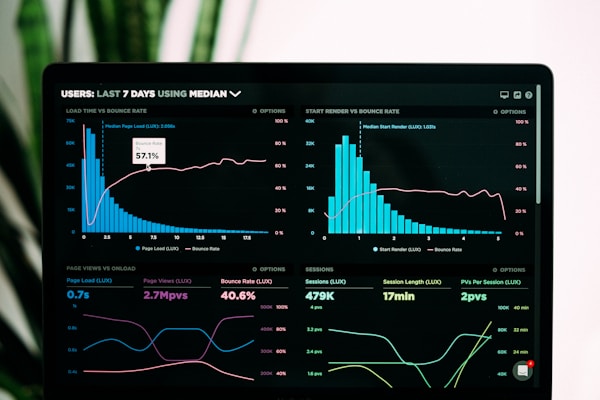
We realized the dashboard needed to be a translator. It had to present the AI's output in business terms, with the ability to "drill down" into the technical details if needed.
We also identified the need for "Explainable AI" (XAI) features. Users needed to see the contributing factors for each prediction (e.g., "Delay predicted due to: Heavy Traffic (80%), Weather (20%)").
Solution Strategy
We designed a hierarchical dashboard. The top layer showed high-level KPIs (Key Performance Indicators) with simple traffic-light status indicators (Green/Yellow/Red). Clicking on a KPI revealed the underlying trends and AI predictions.
We implemented an "Anomaly Detection" feed. Instead of asking users to monitor everything, the system proactively alerted them to unusual patterns, such as a sudden spike in fuel consumption for a specific fleet.
To handle the data volume, we used WebGL-powered charts that could render 100,000+ points at 60fps without lagging.
Design Process
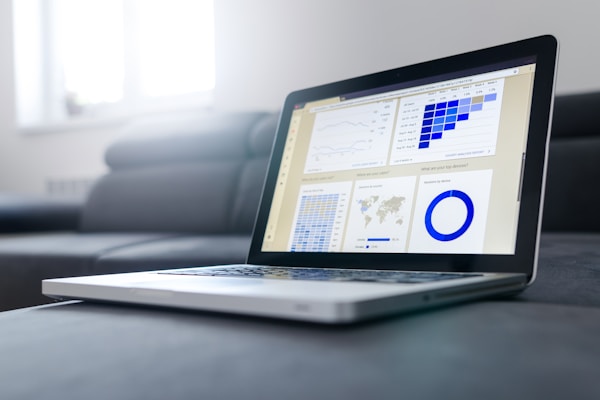
We adopted a "Cyberpunk" aesthetic—dark backgrounds with neon accents. This wasn't just for style; it provided the best contrast for complex data visualizations and reduced eye strain for operators working in dim control rooms.
We created a custom icon set to represent specific logistics concepts (e.g., "Predicted Delay," "Route Optimization," "Maintenance Required").
Interactive prototyping was key. We built a functional version of the map component early on to test how users interacted with the geospatial data.
Implementation
The frontend was built with React and Deck.gl for the geospatial visualizations. We used Apache ECharts for the statistical graphs due to its robust performance and customization options.

The backend used a GraphQL API to aggregate data from multiple sources: the AI inference engine (Python/TensorFlow), the legacy ERP system, and real-time IoT sensors on the trucks.
We implemented a "What-If" scenario builder. Users could adjust parameters (e.g., "What if fuel prices rise by 10%?") and see the AI's predicted impact on the bottom line instantly.
Results & Impact
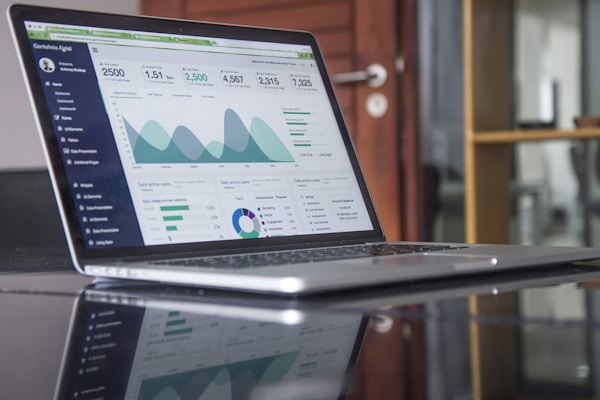
The dashboard bridged the gap between data and action. Operations managers began trusting the AI's route recommendations, leading to a 15% reduction in fuel costs and a 20% improvement in on-time deliveries.
Key Achievements
- 15% reduction in fuel costs via optimized routing
- 10x faster insight generation (from days to minutes)
- Data Science team freed up from manual reporting
The project was so successful that the client is now looking to commercialize the dashboard as a standalone SaaS product for other logistics companies.
Testimonials
"I used to ignore the AI reports because they were just numbers on a spreadsheet. Now I can see the map, see the trucks, and understand exactly what the system is telling me to do."
"PurpleWave turned our complex models into a beautiful, intuitive product. They didn't just build a dashboard; they unlocked the value of our data."